Growing up in rural Kenya, I lived in a county where the land stretched endlessly. You couldn’t see its beginning or its end only rolling plains, acacia trees silhouetted against the vast sky, rivers, and grass. Nature echoed around us: birds chirped, cowbells rang from the distance, smoke curled from homesteads, and on good days, when a neighbor visited, laughter and gossip spilled from the house as I played outside in the scorching, unforgiving sun.
My mother often called me to fetch something she could have easily done herself. But isn’t it said that children are your extra hands? How else could that be explored if not through small errands around the home? Between these moments, I played with soil and an old doll, walked around the compound collecting bougainvillea flowers, crushing them into a colorful extract I pretended was juice for my doll. It was a simple, sun-drenched world, and I was firmly at its center.
Some days, my mother would take me to the nearest town center. There, the streets bustled with pickup trucks, motorcycles ferrying passengers, fruit vendors calling out their prices, and men and women sipping cold Fanta or Krest soda as they hid from the blazing sun. Conversations were always flowing about the latest flu outbreak, the child starting school or being married off, the neighbor’s upcoming event and its dress code, or the spreading drought with no sign of rain. People constantly knew each other’s lives, yet they also knew what to hold back, for some carried bad energy that could sabotage blessings.
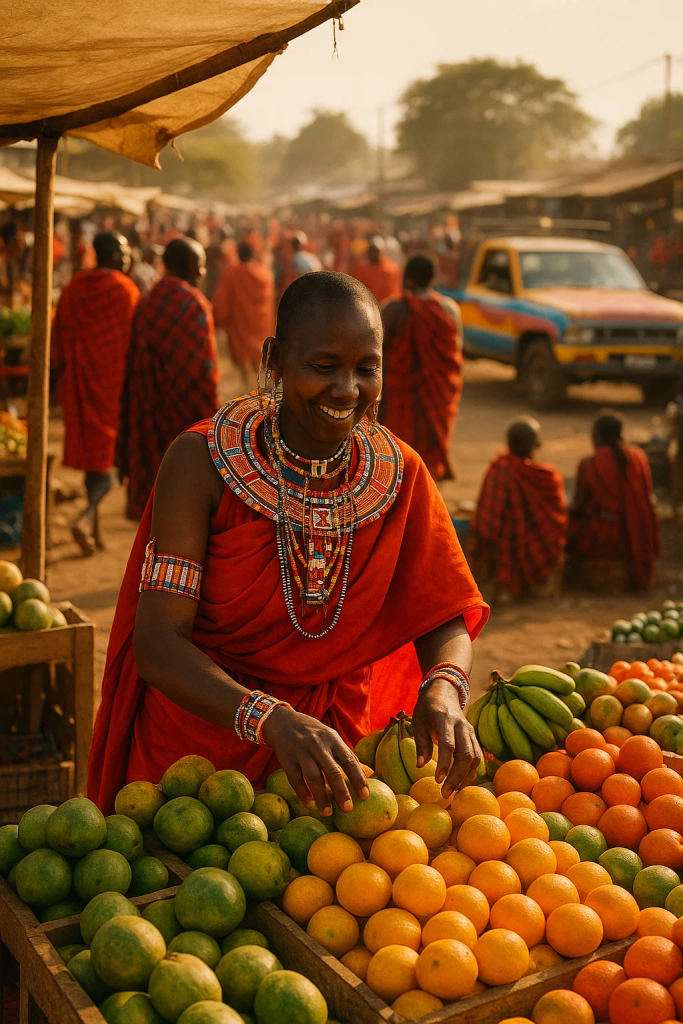
I grew up in warmth, community, and support.
Then I moved abroad.
Everything felt different. Suddenly, it was everyone for themselves and God for us all. Systems worked perfectly: trains and buses ran on schedule, cars stopped at red lights, shops closed at the same time, restaurants closed their doors on certain days, there was no noise on particular evenings, the streets were clean, the lamps worked, and crime was low. For someone who came from the opposite, this was a dream. Yet on the streets, in trams, and in trains, people looked unhappy, drained of life. How could this be, when everything seemed so perfect?
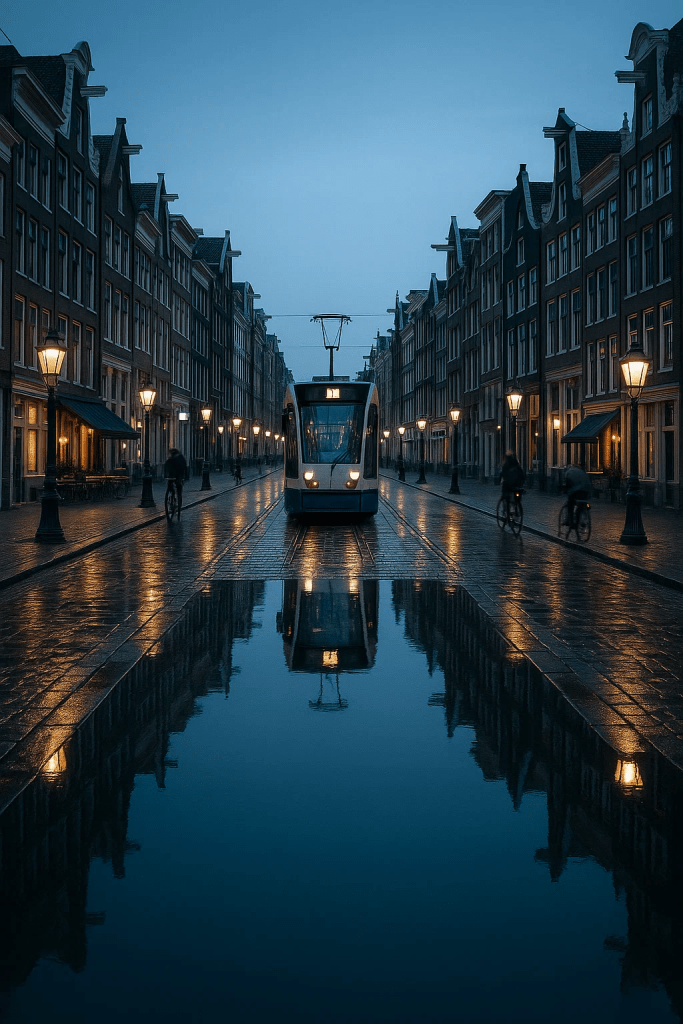
It was then I made a conscious decision: I wouldn’t lose my spark. I wouldn’t let this new life drain the life in me.
To be honest, I had never truly felt like an adult until I moved to the Netherlands. Yes, I had responsibilities in Kenya, but this new life felt heavier, more complex. The challenges here were different. I was guaranteed I would never sleep hungry, for there were always jobs. I was guaranteed that the taxes I paid were used well and not embezzled into anyone’s bank account. I was assured I could see the work of my hands, whether in the new things I could afford or the new places I could visit. Still, everything felt heavy, exhausting.
There had to be a way for me not to lose myself.
People spoke about mental health struggles, about depression. I have nothing but compassion for this struggle; the weight of a new world is immense, and it takes a different kind of strength to carry it. For me, I knew I had to fortify my own spirit. I held onto the belief that confession is possession, and so I declared over my life that joy was my portion. This was my act of resistance, my personal covenant to protect my inner light. I leaned into joy wherever I found it. Cycling became my freedom. I loved how it was normalized, not dismissed as the “poor person’s way of life” as it often was in Kenya. With the breeze against my face, Afrobeats in my ears, I felt free.
I found joy in things I had once lived without: never having power blackouts or water shortages, being able to learn something new without interruptions. I cherished long calls with my mother, where she updated me on home: the neighbor caught stealing a goat, women raiding drinking joints to save young men’s futures, the latest community gossip. She never failed to remind me that no matter my struggles, everything would work out. Those calls grounded me, injected me with her energy, and reminded me never to forget where I came from.
I carried her words, knowing too well who I had left behind, and that this sacrifice this new life had to pay off.
Back home, there was always noise, movement, laughter, chaos. Here, there was stillness, peace. Short winter days, a warm blanket, hot chocolate in hand, and a candle burning that too was a kind of beauty. I was learning to appreciate both symphonies.
My life in Kenya prepared me for my life abroad. I carry both worlds within me: the beautiful chaos of home and the still silence of here.
What a blessing it is to have experienced them all. And in the space between them, I became my own home.


 The Blooming Maasai
Leave a comment